
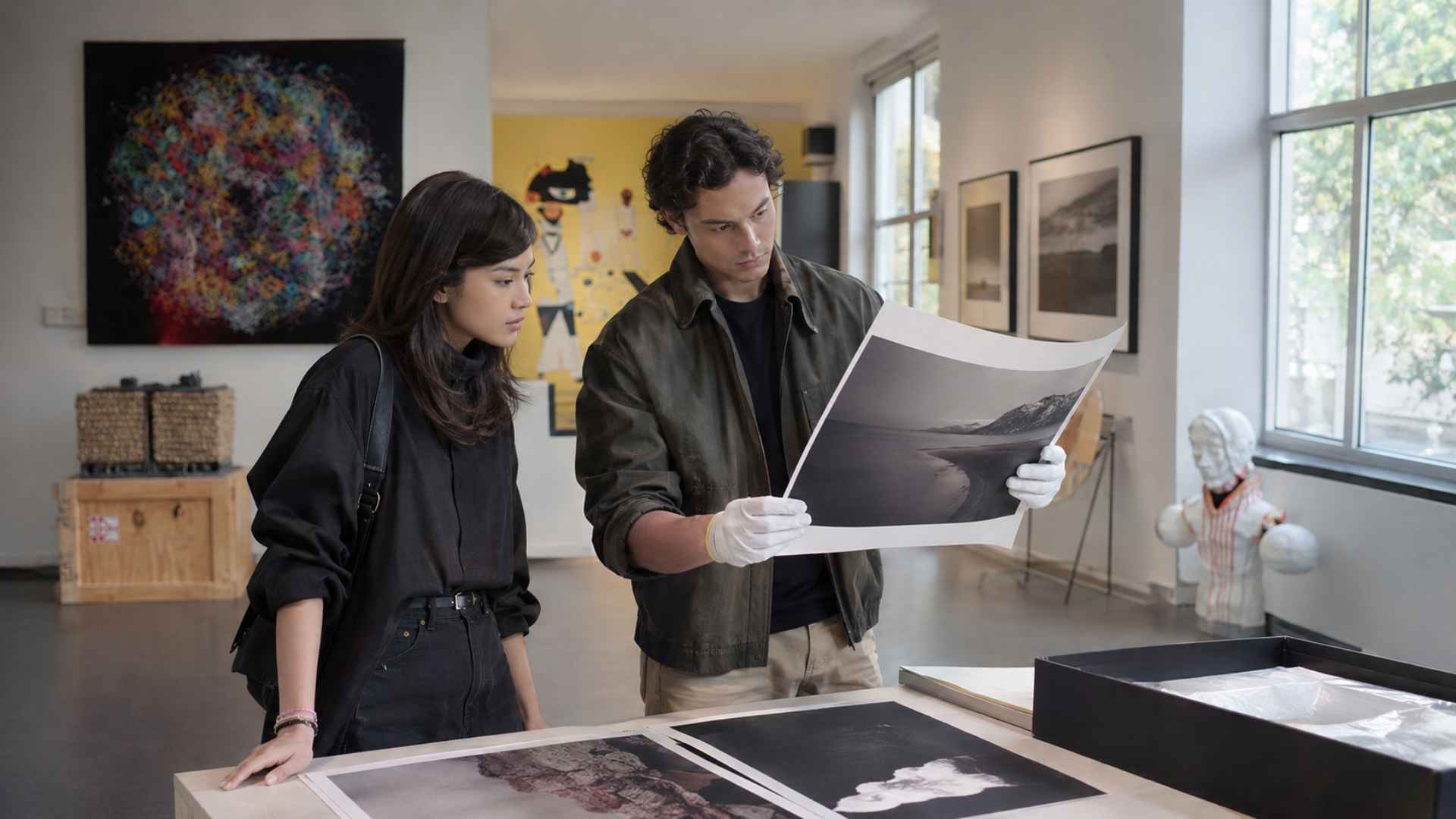
Photographic prints have become an important part of contemporary art collections, offering more than just images captured by a camera. They are physical objects that carry artistic ideas, personal stories, and cultural meaning. Unlike digital photographs viewed on screens, printed photographs have a visible surface, texture, size, and material quality that can influence how people experience an artwork. These physical details make photographic prints valuable additions to private collections, galleries, and museums.
In contemporary art, photography is no longer judged only by the subject or moment it captures. Collectors and artists also pay attention to the printing process, paper selection, presentation, and condition of each work. A photographic print can reflect the artist’s creative decisions as much as the image itself. This growing appreciation has encouraged collectors to see photography as a medium with its own physical presence and artistic identity.
Understanding Photographic Prints as Physical Art Objects
A photographic print is more than a reproduction of an image. It is a physical creation produced through a specific printing method and material. Traditional photographic processes, such as gelatin silver printing, use light sensitive paper and chemical development to create an image. Other methods, including chromogenic printing and inkjet printing, offer different colors, surface finishes, and visual characteristics. Each technique contributes to the final appearance and overall identity of the artwork.
The physical qualities of a print can also influence its artistic value. Paper thickness, surface texture, tonal range, and dimensions all affect how an image is experienced. Some artists prefer matte paper to create a soft and subtle appearance, while others choose glossy surfaces to produce stronger contrast and richer visual details. These choices are often intentional and form part of the artwork’s presentation. For collectors, understanding these characteristics provides a clearer appreciation of photography as a tangible art form rather than simply an image on paper.
The Role of Photographic Prints in Contemporary Art Collections
Contemporary art collections often include photographic prints because they offer a different perspective from paintings, sculptures, and other traditional media. Photography can document real events, explore personal identity, examine social issues, or present imagined situations. Its ability to connect everyday experiences with artistic expression makes it relevant to many different collection themes. A carefully selected photographic print can add visual variety while introducing meaningful stories and perspectives into an exhibition.
The growing presence of photography in museums and private collections also reflects changes in how contemporary art is understood. Institutions increasingly recognize photographs as original artistic works rather than ordinary documentary records. Limited editions, artist proofs, signed prints, and production details can help establish the identity of individual works. Collectors may also consider the artist’s reputation, exhibition history, provenance, and condition when evaluating a print. These details provide useful information about its background and help maintain accurate collection records over time.
Preservation, Display, and Long Term Care of Photographic Prints
Preserving photographic prints requires careful attention because paper based artworks can be affected by light, humidity, temperature, and environmental pollutants. Continuous exposure to direct sunlight or strong artificial lighting may cause fading and changes in color. High humidity can encourage mold growth, while unsuitable storage conditions may contribute to paper deterioration. For this reason, museums and experienced collectors use controlled environments to reduce unnecessary damage. Keeping photographic prints away from heat sources, damp walls, and sudden temperature changes can also support their long term condition.
Proper framing and storage are equally important when maintaining a photography collection. Acid free mounting materials and archival quality backing help reduce the risk of chemical damage. UV filtering glazing can limit harmful ultraviolet exposure, although it does not eliminate every risk associated with light. Photographic prints should also be handled with clean, dry hands or suitable protective gloves, depending on the material and surface. When storing unframed works, archival sleeves and flat storage boxes can provide additional protection. These simple practices help preserve both the visual quality and physical structure of each print.
Display decisions can further influence how photographic prints interact with a contemporary art collection. The size of the artwork, framing style, wall color, and surrounding pieces can change the way viewers respond to an image. Some collectors prefer minimalist frames that allow the photograph to remain the main focus, while others choose presentation methods that reflect the artist’s original intentions. Rotating displayed works can also help reduce prolonged exposure to light. Beyond appearance, thoughtful installation allows photographs to communicate with paintings, sculptures, and other objects in a shared space. As contemporary collections continue to evolve, photographic prints remain meaningful artworks that combine visual storytelling, material quality, and cultural significance. Their value lies not only in what they show but also in how they are made, preserved, presented, and experienced as physical objects.